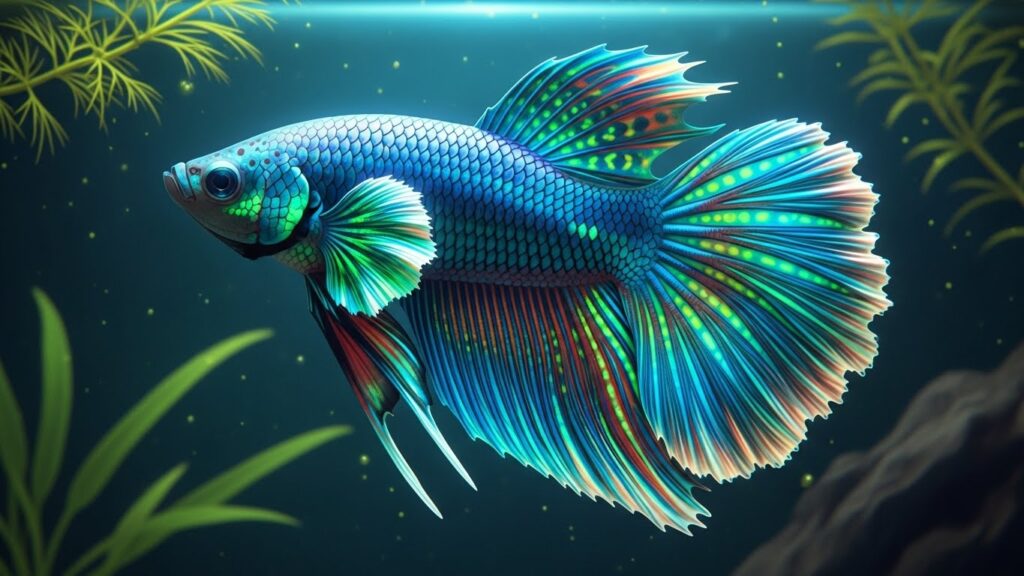

The Alien Betta is one of the most exotic, visually striking, and genetically fascinating betta fish available in the aquarium hobby today. Unlike traditional betta varieties that were selectively bred purely for long fins and bright solid colors, Alien Bettas are the result of carefully engineered hybridization between wild betta species and domestic strains. The outcome is a fish that looks otherworldly—hence the name Alien Betta.
With metallic, iridescent scales that shimmer in shades of blue, green, turquoise, and steel gray, combined with strong, short fins and a wild, predatory posture, Alien Bettas represent a perfect balance between nature and selective breeding. They are rare, premium, and highly desired by serious betta enthusiasts.
At Daily Betta, we consider Alien Bettas a milestone in modern betta genetics, and this guide will cover everything you need to know—from origins and genetics to care, feeding, behavior, and long-term health.
What Is an Alien Betta?
An Alien Betta is a hybrid betta fish created by crossing wild-type betta species (such as Betta smaragdina, Betta mahachaiensis, or Betta imbellis) with domesticated betta splendens strains.
The goal of this crossbreeding is to:
- Preserve the wild metallic iridescence
- Maintain short, functional fins
- Improve hardiness and disease resistance
- Create a fish with a natural yet futuristic appearance
Unlike traditional fancy bettas, Alien Bettas are bred more for structure, strength, and coloration depth than exaggerated fins.
Origin and History of Alien Betta Fish
Alien Bettas first gained popularity in Southeast Asia, particularly in Thailand and Indonesia, where breeders specialize in wild betta genetics. Early experiments focused on combining wild betta coloration with the adaptability of domestic bettas.
Over time, selective breeding refined:
- Cleaner metallic patterns
- Consistent body shapes
- Improved temperament
- Stable color expression
Today, Alien Bettas are still considered limited-production fish, often bred by specialized breeders rather than mass breeders. This rarity adds to their prestige and price.
Physical Appearance and Unique Features
Body Shape
Alien Bettas have:
- Streamlined, torpedo-shaped bodies
- Strong muscle structure
- A more “predatory” look compared to fancy bettas
This body design allows them to swim actively and gracefully without the burden of heavy fins.
Coloration
Their most defining feature is their metallic, iridescent scales, which can include:
- Electric blue
- Neon green
- Teal
- Steel gray
- Emerald highlights
The colors shift depending on light angle, giving them a living, glowing appearance.
Fin Type
Alien Bettas typically have:
- Short fins (plakat-style)
- Rounded or slightly pointed caudal fins
- Strong dorsal and anal fins
This fin structure resembles wild bettas and supports natural movement.
Alien Betta Genetics Explained
Alien Bettas are genetically complex, which is why stable breeding is difficult.
Key genetic traits include:
- Wild iridescence genes for metallic shine
- Reduced fin-length genes
- Improved immune response inherited from wild species
- Variable aggression genes, depending on lineage
Because of this complexity, no two Alien Bettas look exactly the same—even siblings can vary greatly.
Alien Betta Temperament and Behavior
Alien Bettas are generally:
- More active than fancy bettas
- Curious and alert
- Less prone to fin damage
- Territorial but intelligent
They may flare occasionally but often display more controlled aggression than long-finned bettas. Their behavior is closer to wild bettas, making them fascinating to observe.
Ideal Tank Setup for Alien Bettas
Tank Size
Minimum recommended tank size:
- 10 gallons (highly recommended)
- 5 gallons minimum for experienced keepers
Alien Bettas benefit from extra swimming space.
Water Parameters
Ideal conditions:
- Temperature: 24–28°C (75–82°F)
- pH: 6.5–7.5
- Soft to moderately hard water
- Stable, clean water is critical
Filtration
- Gentle filtration preferred
- Sponge filters work exceptionally well
- Avoid strong currents
Aquascaping
Best tank environment:
- Live plants (Anubias, Java fern, Crypts)
- Driftwood and leaf litter
- Dim or natural lighting
- Open swimming areas
This setup mimics their wild ancestry and reduces stress.
Feeding Alien Betta Fish
Alien Bettas are insectivores, just like other bettas, but they often thrive best on high-protein, varied diets.
Recommended Foods
- High-quality betta pellets
- Live foods (daphnia, brine shrimp, mosquito larvae)
- Frozen foods (bloodworms, mysis shrimp)
Feeding Tips
- Feed small portions 1–2 times daily
- Avoid overfeeding
- Observe appetite changes closely
A diverse diet enhances color intensity and overall vitality.
Health and Disease Resistance
Thanks to their wild genetics, Alien Bettas are often:
- More disease-resistant
- Less prone to fin rot
- Stronger swimmers
- Longer-lived when properly cared for
However, they still require:
- Stable water conditions
- Regular tank maintenance
- Quarantine for new fish
Common issues include parasites if sourced from unreliable breeders.
Breeding Alien Bettas
Breeding Alien Bettas is advanced-level and not recommended for beginners.
Challenges include:
- Genetic instability
- Inconsistent coloration in offspring
- Aggressive spawning behavior
- Low fry survival without experience
Successful breeding requires:
- Separate conditioning tanks
- Live food cultures
- Deep understanding of betta genetics
Most hobbyists choose to enjoy rather than breed Alien Bettas.
Alien Betta Lifespan
With proper care, Alien Bettas can live:
- 3 to 5 years
- Sometimes longer with excellent conditions
Their lifespan often exceeds that of long-finned bettas due to reduced physical stress.
Why Alien Bettas Are Considered Exotic
Alien Bettas stand out because they:
- Are genetically rare
- Look radically different from common bettas
- Require knowledgeable care
- Are produced in limited numbers
They are not beginner impulse purchases—they are collector fish.
Is an Alien Betta Right for You?
An Alien Betta is perfect if you:
- Appreciate wild genetics
- Enjoy active, intelligent fish
- Can provide a proper tank setup
- Value uniqueness over exaggerated fins
They are not ideal for:
- Tiny bowls
- Decorative-only setups
- Inexperienced keepers unwilling to learn
Final Thoughts from Daily Betta
The Alien Betta represents the future of ethical, functional, and beautiful betta breeding. It blends wild resilience with modern aesthetics, creating a fish that feels both ancient and futuristic.
At Daily Betta, we believe Alien Bettas deserve informed care and appreciation—not just admiration for their looks, but respect for their genetics and needs.
If you’re ready to go beyond ordinary bettas, the Alien Betta is a truly extraordinary choice.