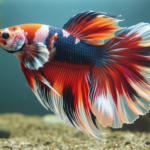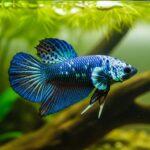
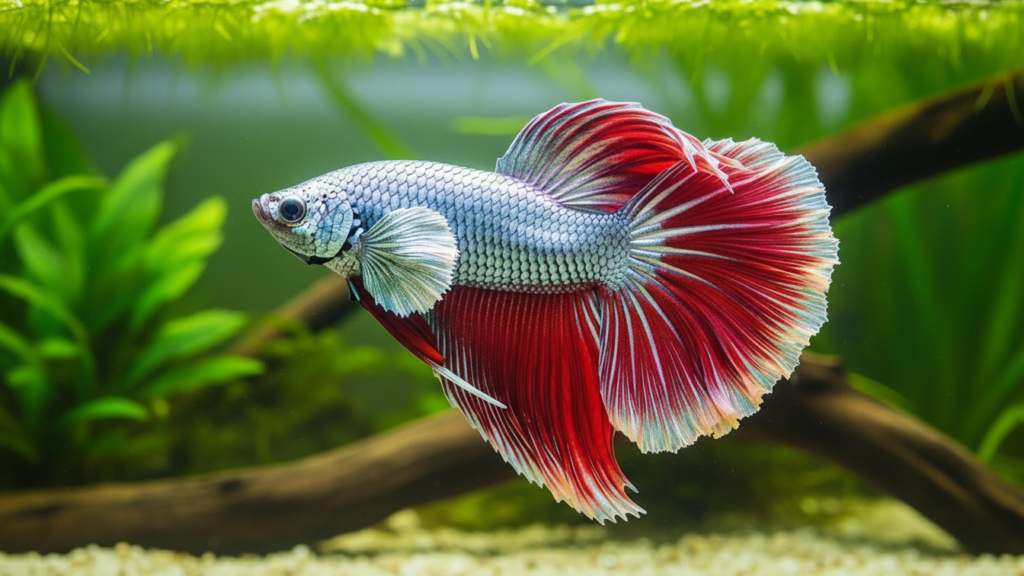

The Dragon Scale Betta is one of the most powerful and visually dramatic betta fish ever developed. Instantly recognizable by its thick, metallic, armor-like scales, this variety looks less like a typical aquarium fish and more like a mythical creature brought to life. Its bold appearance, combined with vibrant fin colors, has made the Dragon Scale Betta a favorite among collectors and experienced betta keepers.
Unlike standard bettas with smooth, flat scales, Dragon Scale Bettas possess heavy, reflective plating that gives them a unique three-dimensional texture. While stunning, this genetic trait also comes with special care considerations that every responsible keeper should understand.
At Daily Betta, we believe Dragon Scale Bettas are best appreciated when their beauty is matched with informed, ethical care. This guide covers everything—from origins and genetics to tank setup, feeding, and health concerns.
What Is a Dragon Scale Betta?
A Dragon Scale Betta is a domesticated Betta splendens variety selectively bred for its thick, opaque, metallic scales. These scales often appear white, silver, platinum, gold, or copper and sit on top of a deeply pigmented body.
The contrast between the armored body and brightly colored fins creates the dramatic “dragon” effect.
Dragon Scale coloration can appear on multiple fin types, including:
- Halfmoon
- Plakat
- Double tail
- Crowntail (less common)
Origin and Development of Dragon Scale Bettas
Dragon Scale Bettas originated in Thailand in the early 2000s. Breeders aimed to create a fish with:
- Extremely thick scale coverage
- High metallic sheen
- Strong body structure
- High contrast between body and fins
Through selective breeding, the dragon scale gene became more stable, and the variety quickly spread worldwide. Today, Dragon Scale Bettas are considered a premium line, often priced higher than standard bettas.
Understanding Dragon Scale Genetics
The Dragon Scale Gene
The defining feature of Dragon Scale Bettas comes from a metallic scale mutation that causes scales to grow:
- Thicker
- Opaque
- More reflective
This gene reduces transparency in the scales, sometimes completely covering underlying body color.
Color Expression
Common dragon scale body colors include:
- White
- Silver
- Platinum
- Gold
- Copper
Fin colors often contrast sharply:
- Red
- Blue
- Black
- Orange
- Turquoise
Genetic Risks
The same gene responsible for beauty can also cause:
- Scale overgrowth
- Reduced scale flexibility
- Increased risk of eye coverage
This is why responsible breeding and informed care are essential.
Physical Appearance and Structure
Body and Scales
Dragon Scale Bettas have:
- Thick, plated scales
- Raised, textured appearance
- Strong, muscular bodies
The scales may look almost like armor plates layered over the fish.
Fin Structure
Their fins are usually:
- Broad and flowing (Halfmoon types)
- Short and powerful (Plakat types)
- Highly pigmented and vibrant
Plakat Dragon Scales are often preferred for health and mobility.
Dragon Scale Betta Temperament
Behavior-wise, Dragon Scale Bettas are similar to other betta splendens:
- Territorial
- Curious
- Interactive
- Alert
However, due to heavier scale coverage, they may:
- Be slightly less agile
- Tire faster with long fins
- Benefit from calmer tank environments
They thrive best in low-stress setups.
Ideal Tank Setup for Dragon Scale Bettas
Tank Size
Recommended tank sizes:
- 5 gallons minimum
- 10 gallons ideal, especially for long-fin varieties
More space helps reduce physical strain.
Water Parameters
Ideal conditions:
- Temperature: 25–28°C (77–82°F)
- pH: 6.5–7.5
- Clean, stable water is critical
Filtration
- Gentle filtration only
- Sponge filters preferred
- Avoid strong currents
Aquascaping Tips
- Soft plants (Java fern, Anubias)
- Smooth decorations (no sharp edges)
- Open swimming areas
- Dim or moderate lighting
Rough decor can damage scales and fins.
Feeding Dragon Scale Bettas
Proper nutrition supports both scale health and immunity.
Best Foods
- High-quality betta pellets
- Frozen bloodworms
- Brine shrimp
- Daphnia
- Occasional live food
Feeding Tips
- Feed small portions 1–2 times daily
- Avoid overfeeding
- Watch for bloating and constipation
A protein-rich, varied diet helps maintain vibrant coloration.
Special Health Concerns in Dragon Scale Bettas
Eye Overgrowth (Dragon Eye)
One of the most serious risks is scale growth over the eyes, sometimes called “dragon eye.”
Symptoms include:
- Cloudy or covered eyes
- Reduced vision
- Difficulty finding food
There is no guaranteed cure—prevention through responsible breeding is key.
Scale Infections
Thick scales can trap bacteria if water quality is poor.
Prevention:
- Frequent water changes
- Clean tank conditions
- Quarantine new fish
Stress Sensitivity
Because of their heavy armor, Dragon Scale Bettas may:
- Stress more easily
- Heal slower from injuries
Stable conditions are essential.
Breeding Dragon Scale Bettas
Breeding Dragon Scale Bettas is advanced and should be done ethically.
Challenges include:
- Risk of excessive scale thickness in offspring
- Eye coverage issues
- Need for selective breeding
Responsible breeders avoid pairing two extreme dragon scale parents to reduce health risks.
Dragon Scale Betta Lifespan
With excellent care, Dragon Scale Bettas typically live:
- 3 to 4 years
- Sometimes longer with optimal conditions
Health-focused breeding lines often live longer.
Why Dragon Scale Bettas Are Exotic
Dragon Scale Bettas are considered exotic because:
- Their appearance is rare and dramatic
- The scale mutation is visually unique
- They require knowledgeable care
- They are often bred in limited numbers
They are collector fish rather than casual pets.
Is a Dragon Scale Betta Right for You?
A Dragon Scale Betta is ideal if you:
- Appreciate bold, armored aesthetics
- Can maintain excellent water quality
- Understand genetic health risks
- Want a premium centerpiece fish
They may not be ideal if you:
- Prefer low-maintenance setups
- Want fast, agile swimmers
- Are new to betta keeping
Final Thoughts from Daily Betta
The Dragon Scale Betta is a reminder that beauty in selective breeding often comes with responsibility. When cared for properly, these fish are breathtaking, dignified, and deeply rewarding to keep.
At Daily Betta, we encourage ethical appreciation—choosing healthy lines, providing proper environments, and always prioritizing the fish’s well-being over appearance alone.