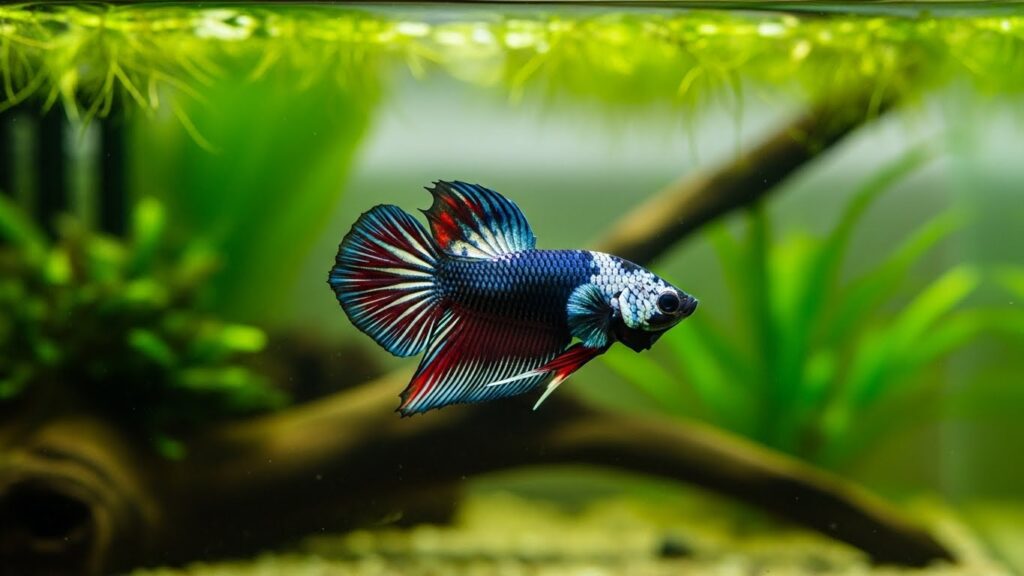

The Samurai Betta is a bold, high-contrast betta variety that exudes strength, elegance, and precision—just like its namesake warrior. Known for its striking black-and-white coloration, often combined with hints of red or blue, Samurai Bettas are highly prized for their dramatic appearance and sophisticated aesthetic. Unlike some fancy bettas with extremely long fins, Samurai Bettas often display medium-length fins that enhance both their elegance and agility.
Samurai Bettas are the result of careful selective breeding, combining dragon scale and black variegation genes to create a balanced, high-contrast pattern. The look is reminiscent of a warrior’s armor: clean, sharp, and visually commanding.
At Daily Betta, we consider Samurai Bettas a must-have for aquarists who want a premium centerpiece fish with strong visual impact and manageable care requirements. This guide will cover their genetics, care, feeding, tank setup, and long-term health considerations.
What Is a Samurai Betta?
The Samurai Betta is a color pattern variety, not a fin type. Its defining feature is high-contrast coloration, typically with:
- Jet-black body
- White, silver, or metallic scales forming clean patches
- Occasional red, blue, or turquoise accents
- Medium-length fins that maintain visual balance
The combination of contrast and symmetry gives the fish a regal, disciplined appearance, reminiscent of traditional Japanese samurai aesthetics.
Samurai patterns can be found in various fin types, including:
- Plakat (short fins, athletic)
- Halfmoon (broad fins, dramatic display)
- Dragon Scale variants (enhanced metallic texture)
Origin and Development of Samurai Betta
Samurai Bettas originated in Thailand, where breeders were experimenting with black variegation, dragon scale genes, and metallic enhancement. By selectively pairing:
- Dragon scale males
- Black variegated females
Breeders were able to stabilize the bold black-and-white contrasts while maintaining body strength and fin proportion.
Over time, Samurai Bettas gained popularity worldwide due to:
- Unique armor-like appearance
- High-contrast aesthetic
- Manageable fin length and active behavior
Understanding Samurai Betta Genetics
Key Genetic Traits
The Samurai Betta relies on a combination of genes:
- Black Body Gene – creates deep, uniform black pigmentation
- Dragon Scale Gene – adds metallic armor-like texture
- White/Silver Variegation Gene – produces sharp, contrasting patches
- Optional Accent Genes – red, blue, or turquoise highlights on fins
This combination produces fish with dramatic contrast and metallic sheen, giving the signature Samurai look.
Color Variability
Even within a single batch, Samurai Bettas may vary:
- Some have predominantly black bodies with small white patches
- Others show balanced black-and-white contrast
- Fin accents may range from subtle to bold
This variability is part of the allure and rarity of the breed.
Physical Appearance and Structure
Body
- Thick, strong body
- Muscular but elegant frame
- Smooth, slightly textured scales (metallic sheen in dragon scale hybrids)
Fins
- Medium-length fins in plakats or halfmoons
- Strong dorsal and anal fins
- Fins often show slight gradient of metallic highlights
- Avoid excessively long fins; they can mask the dramatic body contrast
Samurai Betta Behavior and Personality
Samurai Bettas are active, intelligent, and alert to their environment. They display:
- Territorial behavior (especially plakats)
- Curiosity toward humans and tank activity
- Responsive interaction during feeding
Due to their moderate fin length, Samurai Bettas are fast swimmers and often more agile than long-finned dragon scale or halfmoon varieties. They enjoy open swimming areas and hiding spots.
Ideal Tank Setup for Samurai Bettas
Tank Size
- 5 gallons minimum
- 10 gallons or more ideal for optimal swimming and color development
Water Parameters
- Temperature: 24–28°C (75–82°F)
- pH: 6.5–7.5
- Ammonia/nitrite: 0
- Nitrate: below 20 ppm
Stable water conditions enhance color contrast and reduce stress.
Filtration
- Gentle sponge filter preferred
- Avoid strong currents that may stress the fish
Aquascaping
- Planted or semi-planted aquarium with medium-height greenery
- Driftwood or smooth rocks for visual contrast
- Open areas for swimming to display body and fin elegance
- Moderate lighting to highlight black-and-white contrast
Feeding Samurai Betta Fish
Samurai Bettas thrive on high-protein diets that enhance coloration and overall health.
Recommended Foods
- Premium betta pellets (color-enhancing formulas)
- Frozen bloodworms or brine shrimp
- Daphnia or mosquito larvae
- Occasional live foods for enrichment
Feeding Schedule
- Feed 1–2 small meals per day
- Avoid overfeeding to prevent bloating
- Fast one day weekly if needed
Proper nutrition supports metallic shine and strengthens immune response.
Health and Common Concerns
Samurai Bettas are generally hardy, but caution is needed:
- Fin Rot – mild risk if water quality declines
- Stress-Related Color Fading – especially in dark-black fish
- Bacterial Infections – may occur in poorly maintained tanks
Prevention:
- Weekly water changes
- Stable temperature and pH
- Proper diet
- Quarantine new fish
Breeding Samurai Bettas
Breeding Samurai Bettas is advanced-level, recommended for experienced breeders. Key points:
- Best to pair plakats for easier control
- Select parents with clear black-and-white contrast
- Fry may show variable patterns—expect unpredictability
- Avoid breeding extremes (overly dark or overly metallic) to reduce genetic health risks
Samurai Betta Lifespan
With proper care:
- Average lifespan: 3–4 years
- Exceptional care: up to 5 years
Regular monitoring of water quality and diet is essential for longevity.
Why Samurai Bettas Are Considered Exotic
- Rare and limited-production
- Dramatic, high-contrast patterns
- Combination of dragon scale metallic sheen and bold black-and-white coloration
- Active, intelligent, and engaging behavior
Samurai Bettas are collector-level bettas and make stunning centerpiece fish.
Is a Samurai Betta Right for You?
Samurai Bettas are ideal for:
- Aquarists who enjoy high-contrast, bold fish
- Those who maintain planted or semi-planted aquariums
- Enthusiasts interested in moderately advanced care and breeding
- People who want interactive and active fish
They are not ideal for:
- Tiny bowls or unplanted tanks
- Beginners unwilling to maintain stable water conditions
- Keepers who prefer predictable coloration
Final Thoughts from Daily Betta
The Samurai Betta combines elegance, strength, and drama in a single fish. Its bold, high-contrast colors paired with moderate fins make it visually striking while retaining natural agility.
At Daily Betta, we encourage aquarists to appreciate the Samurai Betta’s unique genetic heritage, provide optimal care, and respect the balance between beauty and health.