
Ich, also known as White Spot Disease, is one of the most common and highly contagious parasitic diseases in betta fish (Betta splendens). Characterized by tiny white spots on the body and fins, Ich can quickly stress your fish and, if untreated, may lead to severe health issues.
At Daily Betta, we believe understanding Ich is critical for all betta keepers, whether you’re a beginner or a seasoned aquarist. This guide will cover causes, symptoms, treatments, and prevention strategies to keep your betta healthy and thriving.
What Is Ich?
Ich is caused by the parasite Ichthyophthirius multifiliis, which attaches to the skin, gills, and fins of infected fish. The parasite feeds on the fish’s tissue, causing irritation and stress.
Key facts about Ich:
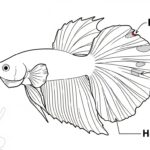
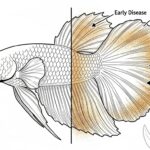
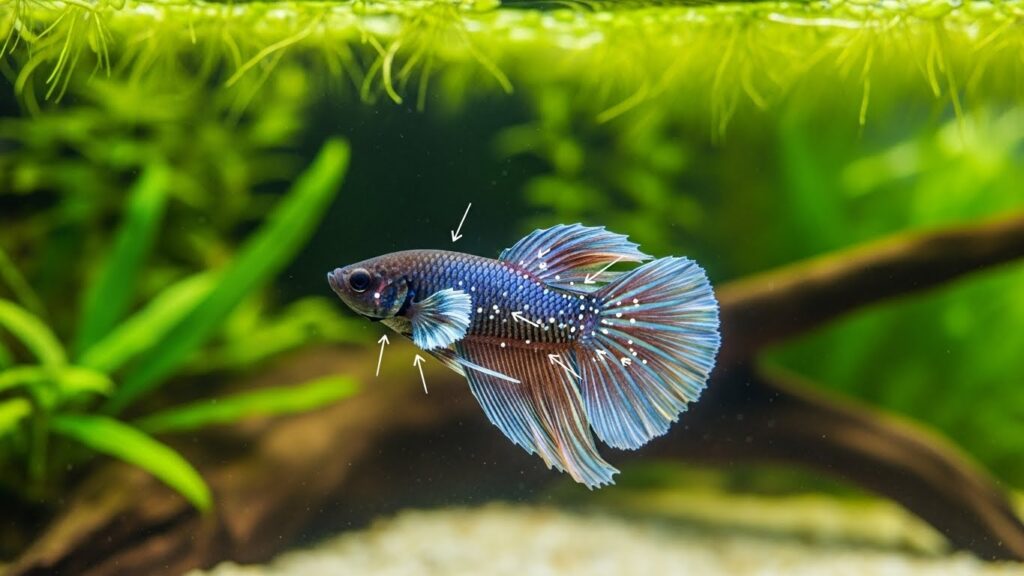
- Appears as tiny white spots, resembling grains of salt
- Can infect body, fins, and gills
- Highly contagious; spreads quickly in shared tanks
- Common in tanks with newly introduced fish or poor water conditions
Symptoms of Ich in Betta Fish
Early detection is essential to prevent severe infection. Symptoms include:
- Tiny white spots scattered across body and fins
- Scratching or rubbing against tank surfaces (due to irritation)
- Labored breathing or gill movement
- Lethargy or reduced activity
- Loss of appetite
Left untreated, Ich can weaken the immune system, making your betta susceptible to secondary infections.
Causes of Ich
Ich outbreaks are usually caused by environmental stressors that weaken the betta’s immune system, allowing the parasite to take hold. Common causes include:
- Introducing New Fish or Plants
- Ich often arrives via new fish, plants, or decorations not properly quarantined.
- Poor Water Quality
- High ammonia or nitrite levels, inconsistent temperature, and dirty water stress fish.
- Temperature Fluctuations
- Sudden changes in tank temperature can trigger outbreaks.
- Overcrowding or Stress
- Stressful tank conditions increase susceptibility to parasites.
Treatment for Ich in Betta Fish
Timely treatment is crucial to stop the parasite from spreading and to ensure a full recovery.
Step 1: Quarantine the Infected Fish
- Move the betta to a separate quarantine tank
- Use gentle filtration and maintain stable water conditions
Step 2: Raise Water Temperature Slightly
- Gradually increase the water temperature to 80–82°F (26–28°C)
- Warmer water accelerates the parasite’s life cycle, making it more susceptible to treatment
Step 3: Use Medication
- Common Ich treatments include malachite green, formalin-based, or copper-based medications
- Follow manufacturer instructions carefully
- Treat the entire tank if the fish are not isolated, since Ich is highly contagious
Step 4: Maintain Optimal Care
- Keep water clean with regular 25% water changes
- Feed high-quality food to support the immune system
- Avoid adding new fish or plants until the infection clears
Prevention of Ich
Preventing Ich is far easier than treating it. Strategies include:
- Quarantine New Fish and Plants
- Keep them in a separate tank for 2–3 weeks before introduction
- Maintain Stable Water Parameters
- Regular water testing and temperature control reduce stress
- Keep ammonia and nitrite at 0 ppm, nitrates below 20 ppm
- Minimize Stress
- Avoid overcrowding
- Keep consistent lighting and temperature
- Provide hiding spots and decorations for security
- Monitor Fish Closely
- Inspect fish for white spots or unusual behavior
- Early detection allows for fast and effective treatment
How Long Does Ich Take to Heal?
- With proper treatment, mild Ich cases can clear in 7–10 days
- Severe infestations may take 2–3 weeks to completely resolve
- Patience and consistent care are essential to prevent recurrence
Common Mistakes to Avoid
- Ignoring early symptoms of white spots
- Overcrowding or introducing unquarantined fish
- Not following medication instructions properly
- Skipping water quality maintenance
Avoiding these mistakes ensures your betta recovers fully and quickly.
Final Thoughts from Daily Betta
Ich is treatable and preventable with proper care and attention. Maintaining clean water, stable temperature, and quarantining new additions are the keys to keeping your betta healthy.
At Daily Betta, we emphasize early detection, proper treatment, and prevention. A healthy betta is vibrant, active, and resilient against parasites like Ich, making your aquarium a lively and beautiful environment.