
Fin Rot is one of the most common bacterial infections affecting betta fish (Betta splendens). While it can appear minor at first, if left untreated, it can progress quickly, damaging fins and even spreading to the body. Betta fish enthusiasts, both beginners and experienced keepers, often encounter this disease due to improper water conditions, stress, or injuries.
At Daily Betta, we aim to provide comprehensive guidance on recognizing, treating, and preventing Fin Rot to ensure your betta remains healthy, vibrant, and active.
What Is Fin Rot?
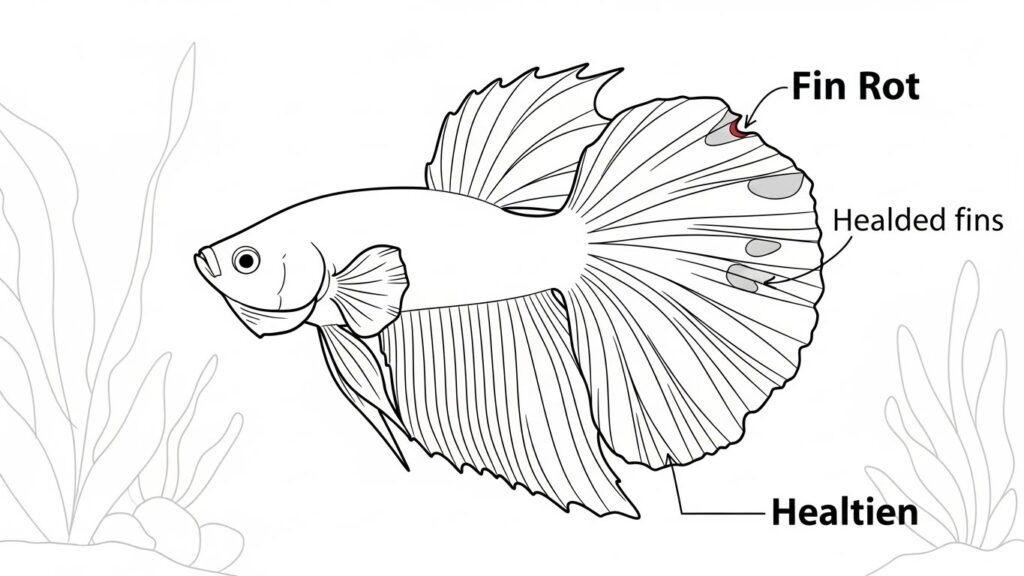
Fin Rot is a bacterial infection that affects a betta’s fins and tail, causing them to fray, discolor, or deteriorate. The bacteria responsible are often Aeromonas, Pseudomonas, or Vibrio species, which thrive in dirty or unstable water conditions.
There are two main types of Fin Rot:
- Bacterial Fin Rot – edges of fins become ragged or torn. Often progresses gradually.
- Fungal-like Fin Rot – sometimes appears white or fuzzy at the fin edges.
Left untreated, Fin Rot can spread to the fish’s body, causing systemic infection that can be fatal.
Symptoms of Fin Rot
Recognizing Fin Rot early is crucial. Common symptoms include:
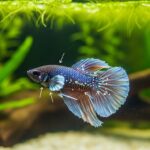
- Frayed or ragged fin edges
- Fins turning black, brown, or red at the tips
- White or gray film along the fin edges (fungal-like)
- Sluggish behavior or hiding more than usual
- Reduced appetite in advanced stages
Early detection allows for effective treatment and prevents permanent fin loss.
Causes of Fin Rot
Fin Rot is often triggered by environmental stressors. The most common causes include:
- Poor Water Quality
- High levels of ammonia, nitrites, or nitrates
- Dirty substrate or uneaten food
- Injuries
- Torn fins from sharp decorations, aggressive tank mates, or fighting
- Stress
- Sudden temperature changes
- Overcrowded tanks
- Frequent handling
- Bacterial Overgrowth
- Opportunistic bacteria flourish in suboptimal conditions, leading to fin deterioration
Treatment for Fin Rot
Timely treatment ensures your betta recovers fully and prevents systemic infection.
Step 1: Improve Water Conditions
- Perform a 25–50% water change immediately
- Maintain temperature between 77–82°F (25–28°C)
- Test water regularly for ammonia, nitrites, and nitrates
- Remove uneaten food and debris
Step 2: Isolate the Infected Fish
- If possible, move the betta to a quarantine tank
- Use gentle filtration to reduce stress
- Keep water clean and free from contaminants
Step 3: Use Medications
- Antibacterial medications (like Maracyn, Melafix, or other betta-safe options)
- Follow manufacturer’s instructions carefully
- For fungal-like symptoms, a mild antifungal treatment may help
Step 4: Promote Healing
- Maintain optimal water conditions
- Provide high-quality, protein-rich foods to boost immunity
- Avoid aggressive tank mates until fins fully heal
Prevention of Fin Rot
Preventing Fin Rot is always better than treating it. Key strategies include:
- Maintain Excellent Water Quality
- Regular water changes
- Consistent temperature
- Avoid overfeeding
- Provide a Safe Environment
- Smooth decorations and substrate
- Avoid sharp objects that can tear fins
- Reduce Stress
- Keep tank sizes adequate (5 gallons minimum for a single betta)
- Minimize sudden environmental changes
- Avoid overhandling
- Monitor Fish Health
- Check fins regularly for small frays or discoloration
- Quarantine new fish or plants before introducing to the main tank
How Long Does Fin Rot Take to Heal?
With proper care and treatment:
- Mild cases may heal within 1–2 weeks
- Advanced cases with severe fin loss may take 3–6 weeks for full recovery
- Fins will grow back gradually, often stronger and healthier
Patience and consistent care are crucial during recovery.
Common Mistakes to Avoid
- Ignoring early signs of fin deterioration
- Overmedicating, which can stress the fish
- Not quarantining infected bettas
- Failing to improve water conditions
Avoiding these mistakes ensures a fast and safe recovery for your betta.
Final Thoughts from Daily Betta
Fin Rot may look alarming, but it is highly treatable with proper care and attention. By maintaining clean water, monitoring tank conditions, and providing a safe environment, your betta can recover fully and regain vibrant fins.
At Daily Betta, we emphasize prevention, early detection, and consistent care. A healthy betta not only looks stunning but also exhibits active and playful behavior, making your aquarium truly come alive.