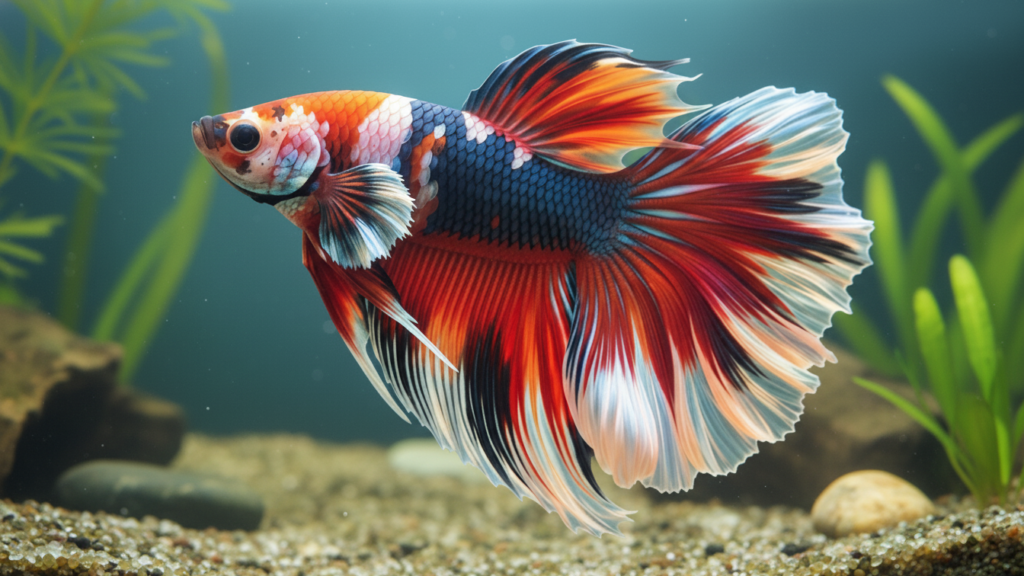

The Koi Betta is one of the most visually captivating and unpredictable betta fish varieties in the modern aquarium hobby. Inspired by the famous Japanese koi fish, Koi Bettas display a stunning mix of red, orange, white, black, and sometimes blue—arranged in patterns that are never the same twice. No two Koi Bettas look identical, making each fish a living, one-of-a-kind masterpiece.
What truly sets the Koi Betta apart is not just its beauty, but its dynamic coloration. Unlike many other betta types, a Koi Betta’s colors can change dramatically over time, sometimes within weeks or months. This constant transformation makes them incredibly exciting for aquarists who enjoy watching their fish evolve.
At Daily Betta, we consider Koi Bettas a perfect blend of art, genetics, and personality. This guide will cover everything you need to know—from origin and genetics to care, feeding, tank setup, and long-term health.
What Is a Koi Betta?
A Koi Betta is a color pattern variety, not a fin type. This means Koi coloration can appear on:
- Plakat Bettas
- Halfmoon Bettas
- Short-fin and long-fin varieties
The defining feature of a Koi Betta is its marble-based pattern, which creates irregular patches of color similar to koi carp. These patches are often bold, high-contrast, and asymmetrical.
Koi Bettas are closely related to marble bettas, but with stronger emphasis on warm colors like red, orange, yellow, and white.
Origin and Development of Koi Betta Fish
Koi Bettas are a relatively modern creation, developed through selective breeding primarily in Thailand, Vietnam, and Indonesia.
Breeders focused on:
- Strengthening marble genetics
- Enhancing red and orange pigmentation
- Creating clean white base colors
- Maintaining balanced body structure
Over time, Koi Bettas became more stable in body form but intentionally unstable in color, which is part of their appeal.
Understanding Koi Betta Color Genetics
The Marble Gene
At the heart of Koi Betta coloration is the marble gene, a genetic trait that causes pigment cells to switch on and off over time.
Because of this gene:
- Colors may spread, fade, or change location
- White areas can become red or black
- Dark patches may disappear completely
This genetic instability is not a flaw—it is what makes Koi Bettas so fascinating.
Common Color Combinations
Koi Bettas often feature:
- Red + white
- Orange + white
- Black accents
- Occasional metallic or blue speckling
Some lines also overlap with galaxy or nemo betta genetics, creating even more dramatic patterns.
Physical Appearance and Fin Types
Body Shape
Koi Bettas usually have:
- Thick, solid bodies
- Smooth scale texture
- Strong muscle definition
Plakat Koi Bettas are especially popular due to their athletic look.
Fin Variations
Koi coloration can appear on:
- Plakat (short fin)
- Halfmoon
- Double tail
- Crowntail (less common)
Short-fin Koi Bettas are often preferred because they display colors more clearly and move more actively.
Koi Betta Behavior and Personality
Koi Bettas share the same core personality traits as other bettas:
- Curious
- Intelligent
- Interactive
- Territorial
However, many keepers report that Koi Bettas are:
- Highly active
- Visually alert
- Quick to recognize their keeper
Their bold colors often match a bold personality, making them excellent centerpiece fish.
Ideal Tank Setup for Koi Bettas
Tank Size
Recommended tank sizes:
- 5 gallons minimum
- 10 gallons ideal for color development and activity
Larger tanks help reduce stress, which can influence color stability.
Water Parameters
Ideal conditions:
- Temperature: 25–28°C (77–82°F)
- pH: 6.5–7.5
- Ammonia & nitrite: 0
- Nitrate: below 20 ppm
Stable water conditions are especially important for marble-based bettas.
Filtration
- Gentle filtration
- Sponge or low-flow filters preferred
- Avoid strong currents that stress fins
Aquascaping Tips
- Light-colored substrate enhances koi colors
- Live plants improve water quality
- Open areas for swimming
- Soft lighting to reduce stress
Feeding Koi Betta Fish
Nutrition plays a major role in color intensity and health.
Best Foods for Koi Bettas
- High-protein betta pellets
- Frozen bloodworms
- Brine shrimp
- Daphnia
- Occasional live foods
Feeding Schedule
- Feed 1–2 times daily
- Small portions only
- Fast one day per week if needed
A varied diet helps maintain vibrant reds and oranges.
Color Changes: What to Expect
One of the most common questions about Koi Bettas is:
“Why is my Koi Betta changing color?”
This is normal.
Color changes may happen due to:
- Genetics (marble gene)
- Age
- Diet
- Stress levels
- Tank conditions
Some Koi Bettas change slightly, while others may look completely different after a year.
Health and Common Issues
Koi Bettas are generally hardy, but they can still face common betta health problems:
- Fin rot
- Ich
- Constipation
- Stress-related color loss
Prevention tips:
- Regular water changes
- Stable temperature
- Proper diet
- Avoid overcrowding
Early detection is key to long-term health.
Breeding Koi Bettas
Breeding Koi Bettas is moderate to advanced in difficulty.
Challenges include:
- Unpredictable offspring coloration
- High variation among fry
- Need for selective culling
Breeding outcomes:
- Some fry may be solid colored
- Others may become marble or koi
- True koi patterns take time to develop
Patience is essential when breeding Koi Bettas.
Koi Betta Lifespan
With proper care, Koi Bettas typically live:
- 3 to 4 years
- Sometimes longer in ideal conditions
Good genetics and consistent care play a major role.
Why Koi Bettas Are Considered Exotic
Koi Bettas are exotic because:
- No two are alike
- Their colors evolve over time
- They combine art and genetics
- They are visually striking in any setup
They are perfect for aquarists who enjoy unpredictability and uniqueness.
Is a Koi Betta Right for You?
A Koi Betta is ideal if you:
- Love unique, evolving colors
- Enjoy watching changes over time
- Want a bold centerpiece fish
- Can provide stable tank conditions
They may not be ideal if you want:
- Fixed, predictable coloration
- Minimal care involvement
Final Thoughts from Daily Betta
The Koi Betta is living proof that betta fish are not just pets—they are dynamic works of art shaped by genetics, care, and time. Their ever-changing patterns remind us that beauty in nature is never static.
At Daily Betta, we believe Koi Bettas deserve patient, informed keepers who appreciate not just how they look today, but how they may transform tomorrow.